

Last Updated: October 23, 2026
Quick Summary
How to store premium African print garments involves maintaining a cool, dark environment between 15-20°C with 40-50% humidity, using wooden hangers or careful folding, and protecting pieces from light, moths, and moisture. Store in closed wardrobes or opaque boxes away from direct sunlight and heat sources, using cedar blocks and acid-free tissue paper to prevent damage and fading.
- Store African print garments in darkness or very dim light to prevent colour fading from sunlight and artificial light exposure.
- Maintain storage temperature between 15-20°C and humidity at 40-50% to protect fabric integrity and prevent mould.
- Use cedar blocks or lavender sachets for moth prevention, replacing cedar every 6-12 months as the scent fades.
- Fold pieces loosely using thirds method or hang on wooden padded hangers to avoid permanent creases and stress lines.
- Place silica gel packets in sealed storage boxes to absorb moisture and prevent damp damage to natural fibres.
Table of Contents
- Why Proper Storage Matters for African Print Garments
- Preparing Your Garments Before Storage
- Folding or Hanging African Print Dresses and Co-Ords
- How to Care for African Print Fabric During Storage
- How to Store Ankara Clothes to Prevent Fading and Damage
- How to Protect Clothes from Moths and Damp
- Refreshing Stored African Print Garments
- Frequently Asked Questions
Why Proper Storage Matters for African Print Garments
Storing premium African print garments properly isn't just about tidiness. It's about protecting an investment in pieces that celebrate your heritage and express your identity. At Afroleisurewear, we understand that how to store premium African print garments directly affects their longevity, colour vibrancy, and overall condition.
Poor storage leads to fading, creasing, and fabric damage that's often irreversible. Humidity causes mildew. Direct sunlight bleaches colours. Tight folding creates permanent creases. Pests like moths eat through natural fibres. The good news is that each of these problems is preventable.
The right storage approach keeps your Ankara pieces looking bold and beautiful for years. Whether you own statement dresses, co-ords, or vibrant trousers, the techniques we cover here will preserve the quality you paid for.
Preparing Your Garments Before Storage
Before you store anything, your garments must be clean and completely dry. Washing removes oils, dirt, and sweat that attract moths and bacteria. Drying prevents moisture from settling into fibres during storage.
Start by washing your African print pieces in cool water. Use a gentle detergent and avoid bleach entirely. Bleach fades Ankara prints faster than almost anything else.
Rinse thoroughly until the water runs clear. Gently squeeze out excess water, don't wring or twist the fabric. Wringing damages the print and weakens the fibres.
Dry your garments flat or on a line away from direct sunlight. Direct sun fades colours significantly. A shaded, well-ventilated space works best. This step matters more than most people realise.
Once completely dry, inspect each piece for damage:
- Check seams for loose threads
- Look for stains or marks
- Feel for weak spots in the fabric
Address any issues now. Small repairs prevent larger problems during storage.
Folding or Hanging African Print Dresses and Co-Ords
The choice between folding and hanging depends on your storage space and the garment's weight. Both methods work when done correctly.
Hanging works best for:
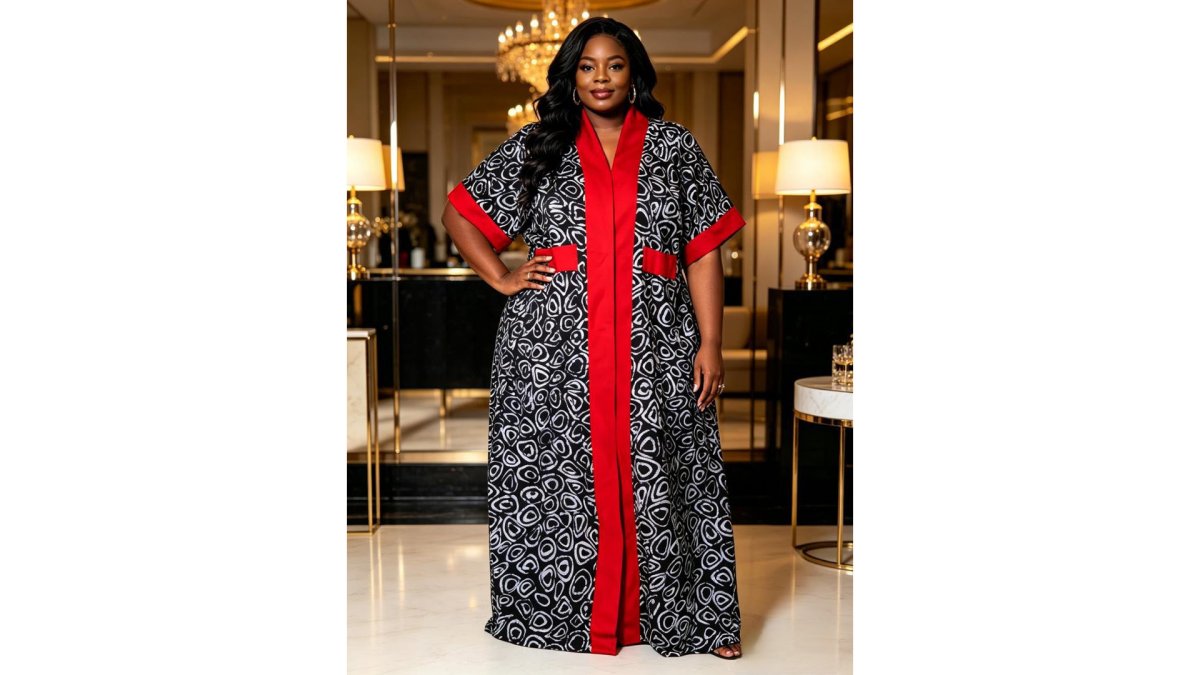
- Maxi dresses like our African Luxe Ankara & Aso Oke panel Maxi Dress (£25.00)
- Heavier pieces that wrinkle easily
- Garments you wear frequently
- Wardrobes with limited shelf space
Use wooden or padded hangers to support the fabric. Plastic hangers can leave marks. Wire hangers dig into shoulders. Hang pieces in a cool, dark wardrobe away from direct light.

Folding works best for:
- Items you wear less often
- Lightweight pieces
- Limited hanging space
- Layered storage in drawers or boxes
Fold carefully to avoid permanent creases. Start by laying the garment flat on a clean surface. Fold sleeves inward first. Then fold the body in thirds lengthwise. Finally, fold horizontally into thirds. This method minimises creasing and makes pieces easy to stack.
For pieces like our Ankara Barrel Trousers (£41.99), fold along the natural seams rather than creating new fold lines. This preserves the fabric's integrity.

How to Care for African Print Fabric During Storage
Fabric condition depends entirely on your storage environment. Temperature, humidity, and light all matter.
Temperature: Keep storage areas between 15-20°C. Extreme heat weakens cotton fibres. Extreme cold makes fabric brittle. Avoid basements prone to temperature swings.
Humidity: Aim for 40-50% humidity. Too much humidity encourages mould and mildew. Too little causes fabric to become dry and fragile. Use a small dehumidifier or moisture-absorbing packets in sealed storage boxes.
Light: Store garments in darkness or very dim light. Sunlight fades Ankara prints noticeably over months. Even indoor artificial light can fade colours over time. Closed drawers, wardrobes, or opaque storage boxes are ideal.
Air circulation: Stale air promotes mildew and odours. Store pieces in spaces with gentle air movement. Avoid airtight plastic bags unless they're specifically designed for long-term garment storage with ventilation holes.
Cotton breathes. Your storage method should allow that. Sealed plastic bags work for short-term storage only (a few weeks). For longer storage, use breathable cotton bags or acid-free tissue paper.
How to Store Ankara Clothes to Prevent Fading and Damage
Colour fading is the biggest threat to how to store premium African print garments effectively. Ankara prints use natural and synthetic dyes that fade when exposed to light, heat, or moisture.
Store Ankara clothes in a dark environment. A closed wardrobe is better than open shelving. Opaque storage boxes beat clear plastic boxes. If you must use plastic, choose boxes with UV-blocking properties.
Never store pieces near windows. Heat from sunlight damages dyes and weakens fibres. Keep them away from radiators and heating vents too. Heat accelerates fading.
Fold or hang pieces loosely. Tight folding creates stress lines that become permanent creases. These creases attract dust and can weaken the fabric over time. Leave breathing room between items.
For our Statement Hooded Ankara Maxi Dress (£39.99) and similar statement pieces, store away from other garments that might transfer dyes or leave marks. Vibrant prints can occasionally bleed colour onto lighter fabrics, especially in humid conditions.

Use acid-free tissue paper between folds if stacking multiple pieces. This prevents dyes from transferring and protects prints from creasing. Avoid regular tissue paper, which contains acids that damage fabric over time.
How to Protect Clothes from Moths and Damp
Moths are the silent enemy of stored garments. They're attracted to natural fibres, sweat, and food residue. Prevention is far easier than dealing with damage.
Moth prevention:
- Wash garments thoroughly before storage
- Store in sealed containers or closed wardrobes
- Use cedar blocks or cedar oil sachets
- Include lavender sachets for additional protection
- Check stored items every few months
Cedar repels moths naturally without harsh chemicals. Place cedar blocks in storage boxes or wardrobes. Replace them every 6-12 months as the scent fades.
Lavender works similarly. Fill small fabric pouches with dried lavender and place them near stored garments. The smell deters moths and leaves clothes smelling fresh.
Never use mothballs containing naphthalene or paradichlorobenzene. These chemicals damage fabric and leave toxic residues.
Damp prevention:
- Keep storage areas well-ventilated
- Use moisture-absorbing packets in sealed boxes
- Avoid basements and bathrooms where humidity is high
- Check stored pieces monthly for signs of moisture
- Wipe down storage containers periodically
Silica gel packets absorb moisture effectively. Place them in storage boxes with your garments. Replace them when they become saturated (they'll change colour to indicate this).
For the Kimora Kaffi African Print Kimono (£40.00) and other lightweight pieces, damp is particularly damaging because it promotes mildew growth quickly on delicate fabrics.
Refreshing Stored African Print Garments
After storage, your pieces might look wrinkled or feel slightly stale. Refreshing them before wearing brings them back to life.
Remove garments from storage and hang them in fresh air for 24 hours. This allows any stale odours to dissipate. Sunlight isn't ideal for long-term storage, but brief exposure helps refresh fabrics.
For wrinkles, use a cool iron on the reverse side of the fabric. Never iron directly onto Ankara prints, heat can damage the dyes and create shine marks. Iron on low heat with a pressing cloth between the iron and fabric.
Alternatively, hang wrinkled pieces in a steamy bathroom for 15-20 minutes. Steam relaxes fibres without the heat risk of ironing.
If pieces smell musty, air them out longer or use a fabric freshener spray. Avoid heavy perfumes that mask odours rather than eliminate them.
Inspect garments for any signs of damage before wearing. Check for loose threads, fading, or moth damage. Address small issues immediately to prevent them from worsening.
Storing premium African print garments properly ensures they remain vibrant and wearable for years. The techniques we've covered, controlling temperature and humidity, protecting from light, preventing moths and damp, and refreshing before wear, are straightforward but essential. At Afroleisurewear, we believe your investment in quality Ankara pieces deserves storage that matches their value. Implement these practices, and your statement dresses, co-ords, and trousers will continue to celebrate your heritage with bold colour and lasting quality.
Frequently Asked Questions
Should you fold or hang African print garments when storing them?
Fold your pieces neatly using acid-free tissue paper between each fold to prevent creasing and colour transfer. However, if you prefer hanging, use padded hangers and ensure the storage space is cool and dry.
How do you stop Ankara fabric from fading in storage?
Store African print garments away from direct sunlight, as UV light causes colours to fade over time. Keep them in a cool, dark cupboard or drawer, ideally at a temperature between 15-21°C. Avoid storing near windows or in areas exposed to artificial light for extended periods. Air out your stored pieces every few months to maintain freshness and colour vibrancy.
Can you store African print garments in plastic bags?
No, avoid plastic bags for long-term storage. Plastic traps moisture, which can cause mildew, odours, and colour fading on your Ankara pieces. Instead, use breathable cotton bags, acid-free tissue paper, or cotton storage boxes. If you must use plastic temporarily, ensure the garments are completely dry first and leave the bag partially open to allow air circulation.
How often should stored African print clothes be aired?
Air out your stored African print garments every 3-4 months. Remove them from storage, unfold or unhang them, and allow them to breathe in a well-ventilated space away from direct sunlight for a few hours. This prevents musty odours, maintains fabric freshness, and helps you spot any early signs of moth damage or moisture issues. Regular airing is especially important if you live in a damp climate or store items for longer than six months at a time.

0 comments